
Since 2014, when Paramount Commercial Renovations began as a local and regional source for Hospitality renovations, our company has grown to become a recognized leader in hotel renovations nationwide. Our core team of leadership has extensive experience in all aspects of commercial renovations, including design, purchasing, warehousing/distribution, and construction.
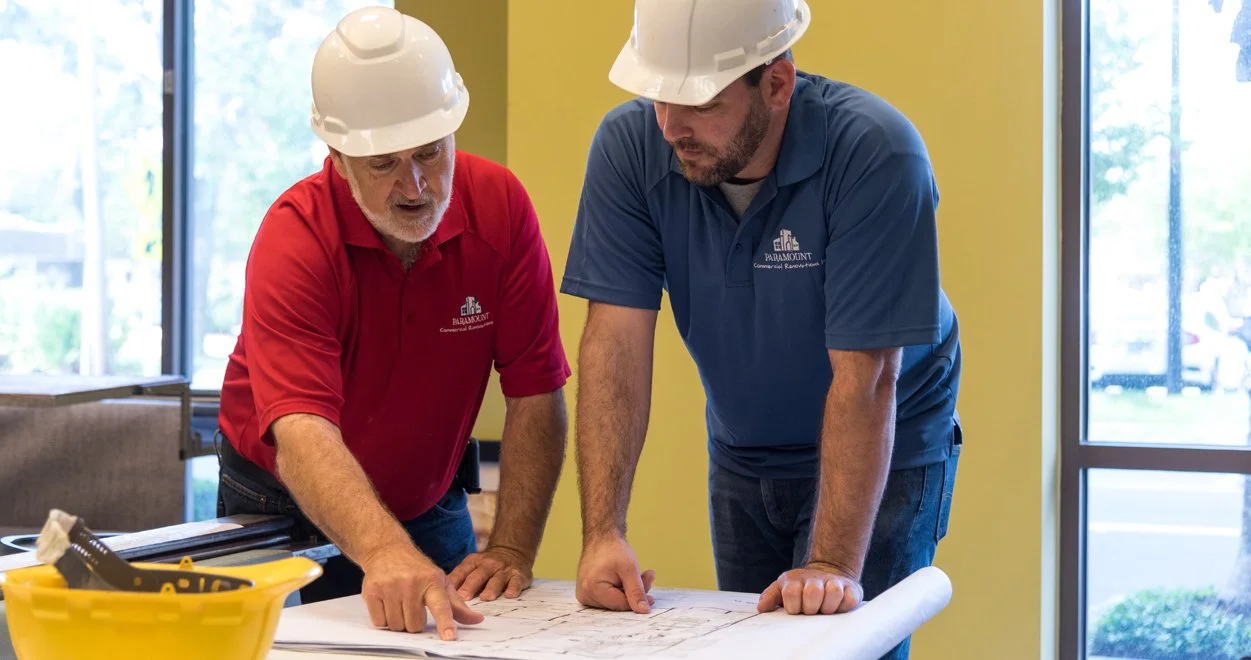
Paramount Commercial Renovations has spent years perfecting a proven approach to the hotel renovation process.
We understand how to address the unique requirements, situations, and challenges of each project and have earned a reputation as a company that consistently delivers.
Our superintendents are creative, solution-oriented problem solvers who are well-versed in the hospitality industry and know how to manage demanding schedules. We consistently deliver quality results on projects, small and large.
We collaborate with our clients and make it easy to select the finest products.
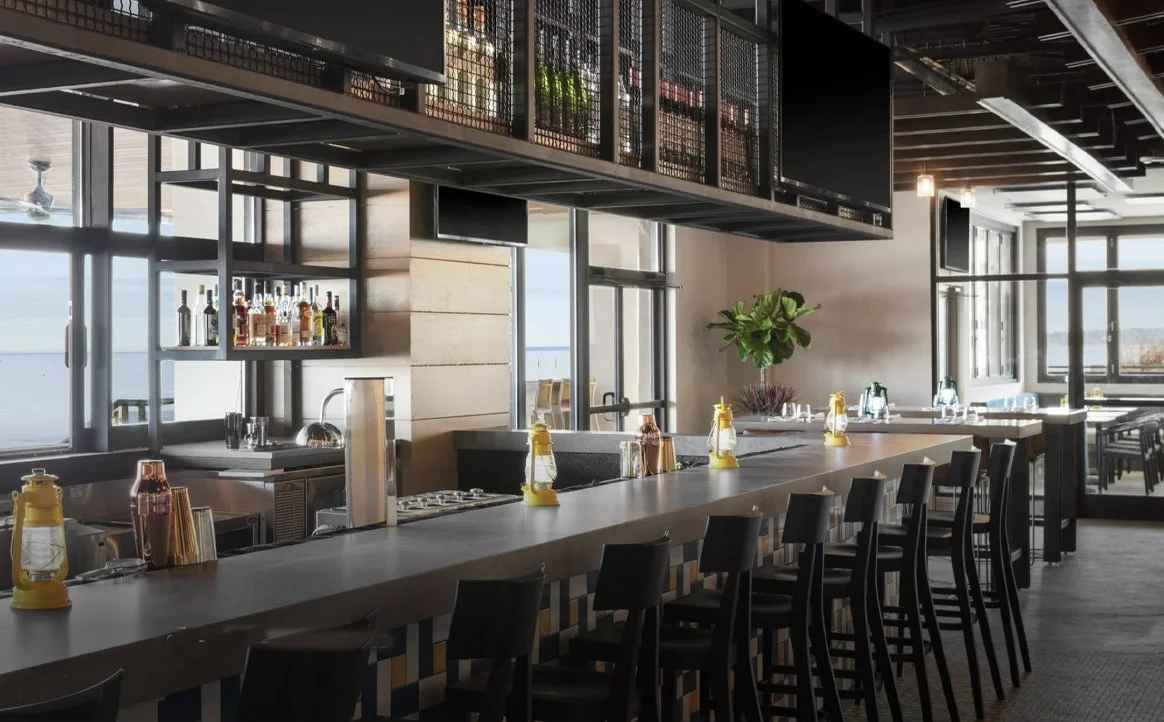

Our Process
We offer comprehensive design services to our clients using a proven process for success and timeliness.
-
A PIP, or Preliminary Inspection Package, in construction and renovation refers to the initial documentation and inspection report issued before the full project approval or final inspection. It identifies any potential issues, code violations, or areas of non-compliance with building regulations early in the process. The PIP allows contractors and renovators to address these concerns promptly, ensuring the project meets all safety and quality standards before moving forward.
This early issuance helps avoid costly delays during the final inspection phase and ensures a smoother approval process. From a renovation standpoint, the PIP can include structural evaluations, electrical and plumbing assessments, and verification of adherence to design specifications. Addressing items outlined in the PIP facilitates compliance, reduces liability, and supports timely project completion.
-
Preliminary budgets are initial cost estimates created during the early stages of a commercial renovation project. These budgets provide a rough approximation of expenses based on preliminary design concepts, scope outlines, and available project data. Their purpose is to establish financial parameters, guide decision-making, and help secure necessary funding. Preliminary budgets typically include estimated costs for materials, labor, permits, site preparation, and contingency allowances. They are subject to refinement as project details become more defined and more accurate information is obtained.
-
The design process begins by assessing project needs, budget, timeline, and requirements. A concept focusing on layout, appearance, and regulations is created and approved. Detailed plans follow, including floor plans and materials, ensuring buildability. Construction then implements the plans, with regular updates and inspections. Finally, the completed space is reviewed to meet goals, with any adjustments made for quality.
-
In construction and renovation, brand approval is key to keeping a consistent and professional image on all client materials, signs, and documents. This includes using company logos on site banners, uniform colors, and customer messages. Sticking to brand rules ensures the company’s reputation and values show clearly, avoids mistakes, and keeps a unified look. This helps build trust with clients, contractors, and stakeholders. Following brand guidelines also meets contract requirements and improves the project’s overall presentation.
-
The final budget stage ensures the project stays on budget by gathering and verifying all costs—labor, materials, equipment, permits, subcontractors, and contingencies. It updates with real bids and changes, helping avoid overspending and identify risks. This budget guides spending, tracks progress, and holds everyone accountable before work begins, confirming the project’s financial plan for timely, on-budget, and compliant completion.
-
The project completion stage marks the final phase of a commercial renovation project. During this stage, all construction and renovation work is thoroughly inspected to ensure it meets the contract specifications, quality standards, and safety codes. Any remaining punch list items—minor repairs, adjustments, or touch-ups—are addressed promptly. Final cleaning is conducted to prepare the space for occupancy. Documentation, including warranties, manuals, and as-built drawings, is handed over to the client. A formal walkthrough is performed with the client to confirm satisfaction and obtain final approval. Once all contractual obligations are fulfilled, a certificate of completion is issued, and the project is officially closed.
-
At a project's end, the client formally approves the work, confirming satisfaction and trust in the contractor. Approval shows the project met quality, reliability, and value standards. This step finishes the job and builds lasting relationships for future work. Contractors must meet standards, explain warranties, and promptly address issues. Done well, this fosters trust, boosts referrals, and enhances reputation for ongoing success in commercial renovation.
Get in Touch
If you're interested in working with us, complete the form with a few details about your project. We'll review your message and get back to you within 48 hours.